China's UNESCO Trail 1: A 15-Day Journey Through Northern & Western Heritage Wonders
A 15-day curated journey through China’s most spectacular UNESCO World Heritage sites, from the deserts of Badain Jaran to the ancient grottoes of Yulin, exploring the profound intersection of history, culture, and nature.
When planning your trip to China, considering its UNESCO World Heritage sites offers a journey through millennia of history and breathtaking natural beauty. As a member of UNESCO since 1946, China is home to 59 World Heritage properties, each possessing “outstanding universal value”. This 15-day itinerary through Northern and Western China is designed for travelers seeking to experience the perfect harmony between humanity and nature that these celebrated sites protect.
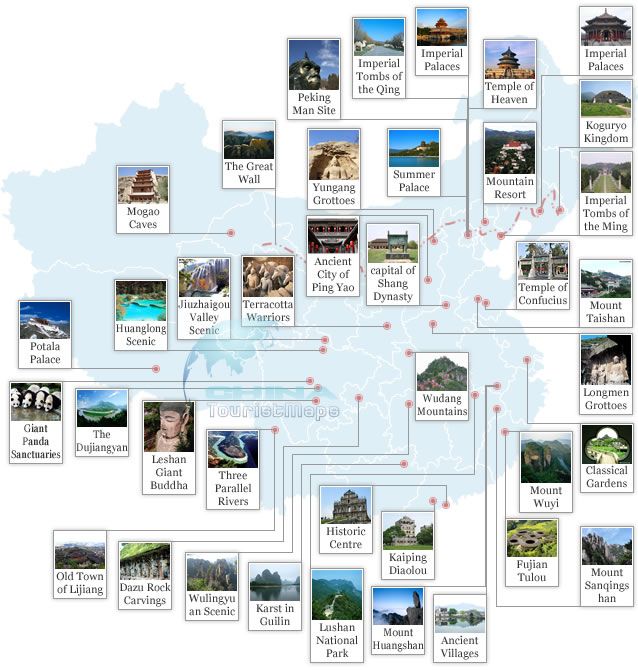
The Allure of China’s UNESCO Heritage
World Heritage sites are landmarks or areas of cultural, historical, or scientific significance protected by the World Heritage Convention, which has been signed by more than 160 countries. China’s diverse portfolio of UNESCO sites—from the newly inscribed to those with decades of protection—tell the story of ancient civilizations, imperial power, artistic achievement, and nature’s grandeur.
💡 Travel Tip: The best times for this Northern and Western China itinerary are from May to June and September to October, when temperatures are moderate, and tourist crowds are thinner compared to peak summer months.
Your 15-Day Northern & Western China UNESCO Itinerary
Days 1-4: Beijing - Imperial Grandeur and Urban Planning
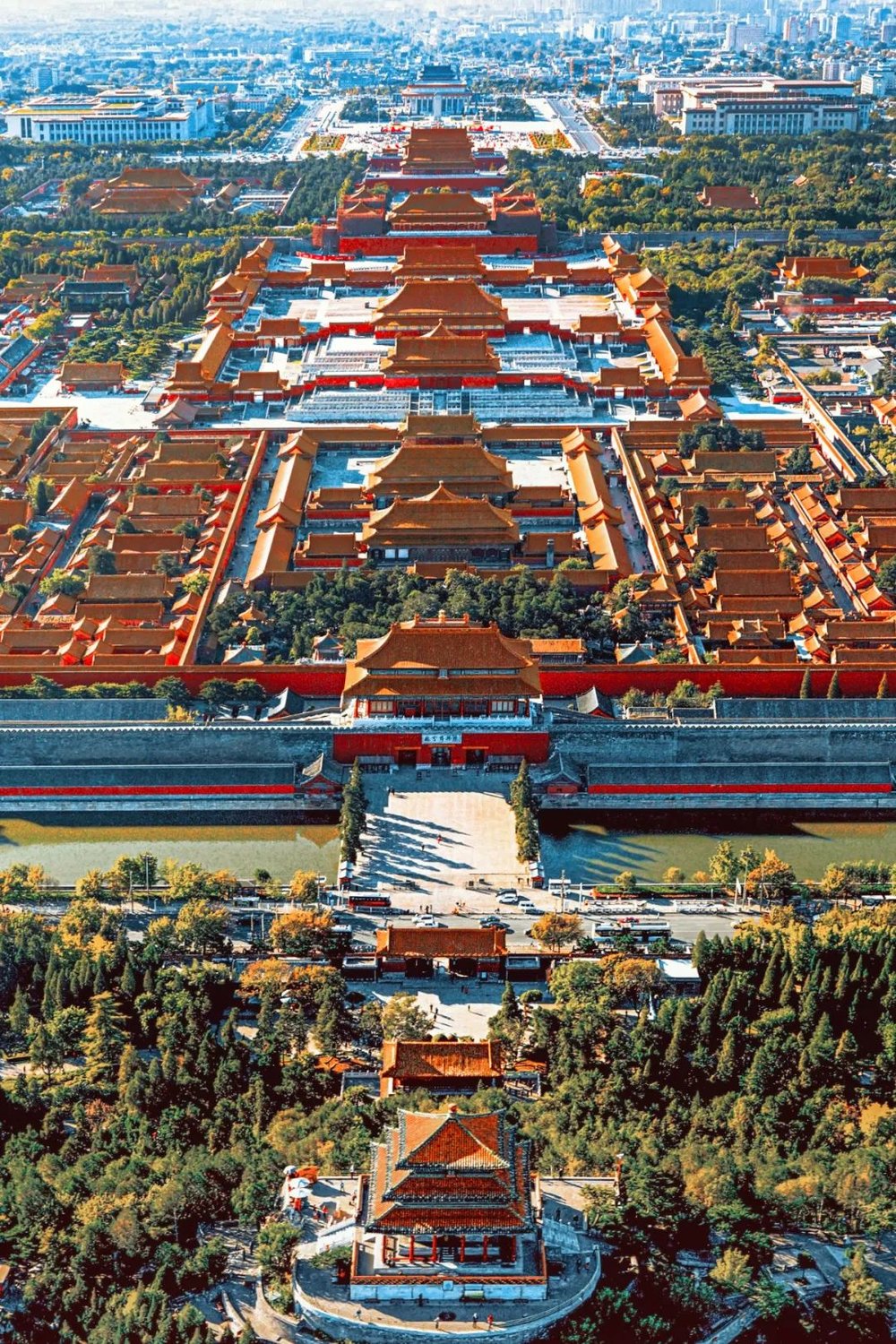
Begin your journey in China’s capital, where ancient imperial legacy meets modern governance.
Day 1-2: Beijing Central Axis - Newest UNESCO Addition
- Explore the recently inscribed “Beijing Central Axis: A Building Ensemble Exhibiting the Ideal Order of the Chinese Capital”
- Walk the 7.8-kilometer north-south axis, the world’s longest urban axis
- Visit the Forbidden City, Temple of Heaven, and Jingshan Park for panoramic views
- Learn how this layout embodies the ideal capital paradigm described in ancient Chinese texts
Day 3-4: Great Wall of China at Mutianyu
- Day trip to the magnificently preserved Mutianyu section of the Great Wall
- Take a cable car up for breathtaking views and hike along the restored battlements
- Understand why the Great Wall is “one of the most famous places in the world”
- Return to Beijing for a traditional Peking Duck dinner
Where to Stay:
- Beijing: Hutong courtyard hotels near the Central Axis
- Explore Beijing with:
💡 Cultural Insight: The Beijing Central Axis took 12 years to achieve UNESCO status, progressing through initial, accelerating, and final stages before its successful inscription in 2024.
Days 5-8: Badain Jaran Desert - Nature’s Masterpiece
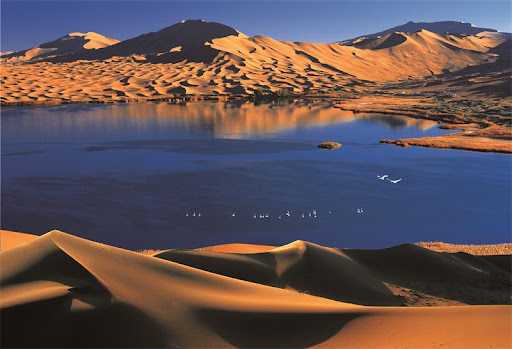
Journey into northwest China to experience one of the planet’s most extraordinary desert landscapes, newly inscribed on the World Heritage list in 2024.
Day 5: Travel to Alashan Plateau
- Take a morning flight from Beijing to Jiayuguan or Jiuquan
- Transfer by road to the edge of the Badain Jaran Desert
- Settle into desert camp accommodations
- Evening orientation on desert ecology and conservation
Day 6-7: Exploring Desert Wonders
- Visit the tallest stationary dunes on Earth, reaching 460 meters in height
- Discover numerous desert lakes nestled between the massive dunes
- Experience the singing sand phenomenon in the most extensive area of its kind
- Marvel at diverse wind-erosion landforms showcasing extraordinary natural beauty
- Learn about the scientific significance of this unique ecosystem
Day 8: Desert to Dunhuang
- Morning photography session capturing the desert at sunrise
- Travel to Dunhuang, an important Silk Road oasis
- Evening exploration of Dunhuang’s night market and traditional crafts
Where to Stay:
- Badain Jaran: Desert camp lodges or local guesthouses
- Dunhuang: Comfortable hotels with modern amenities
💡 Scientific Significance: The successful inscription of the Badain Jaran Desert “fills the gap of desert type for China in World Natural Heritages”, making it particularly significant for researchers studying desert formations and conservation.
Days 9-12: Yulin Caves - Buddhist Art Sanctuary
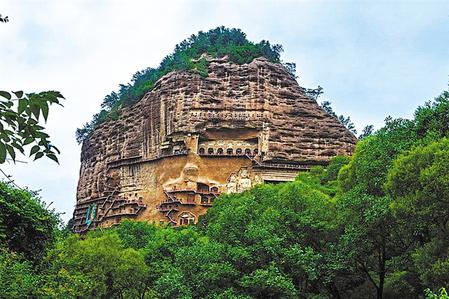
Continue to Gansu Province to explore the remarkable Yulin Caves, recognized as part of the broader Mogao Grottoes UNESCO site and representing exceptional Buddhist art.
Day 9: Dunhuang to Yulin
- Travel 70 kilometers south of Guazhou County to Yulin Cave
- Check into local accommodations near the cave site
- Attend an introductory lecture on Buddhist cave art in China
- Evening free to rest and prepare for cave explorations
Day 10: Yulin Cave Exploration
- Full day exploring the 43 caves of Yulin Grottoes
- Marvel at the nearly 4,200 square meters of murals
- Admire hundreds of painted Buddha figures and statues
- Learn about the different artistic styles from various dynasties
- Understand why it’s “recognized as a branch of Mogao Grottoes Art System”
Day 11: Historical Context and Conservation
- Guided tour focusing on the Northern Wei Dynasty foundations
- Examine the large-scale constructions from Tang, Song, Yuan, and Qing dynasties
- Learn about ongoing preservation efforts for these fragile artworks
- Participate in a workshop on traditional painting techniques
Day 12: Departure to Xi’an
- Morning visit to additional cave sections or nearby archaeological sites
- Afternoon travel to Xi’an for the next leg of your journey
Where to Stay:
- Yulin Area: Basic but comfortable local hotels
- Explore the region with:
💡 Artistic Appreciation: The Yulin Caves, though their exact founding date is unknown, were likely established in the Northern Wei Dynasty with major expansions during Tang, Five Dynasties, Song, Western Xia, Yuan, and Qing periods, offering a comprehensive timeline of Chinese Buddhist art evolution.
UNESCO Travel Guide for Northern & Western China
- Advance Planning: Book tickets for popular sites like the Forbidden City and Yulin Caves well in advance, especially during peak seasons.
- Cultural Respect: Dress modestly when visiting religious sites and avoid touching ancient murals and artifacts.
- Climate Preparation: Northern China’s desert regions experience extreme temperature variations—pack accordingly with layered clothing.
- Local Guides: Engage certified guides at UNESCO sites for deeper insights into their historical and cultural significance.
- Sustainable Practices: Follow leave-no-trace principles, particularly in fragile environments like the Badain Jaran Desert.
📝 Essential Tips for UNESCO Explorers
- Transportation: Consider hiring a private driver for remote areas like the Badain Jaran Desert where public transport is limited.
- Altitude Awareness: Some western regions are at high elevation; allow time for acclimatization and stay hydrated.
- Documentation: Keep your passport handy as it’s required for entry at many ticketed UNESCO sites.
- Photography Permits: Check regulations regarding photography inside caves and religious sites—flash photography is often prohibited.
- Extended Itineraries: If time allows, consider adding nearby UNESCO sites like the Mogao Grottoes or Jiuzhaigou Valley.
This 15-day itinerary through Northern and Western China’s UNESCO World Heritage sites offers an unparalleled journey through time, art, and nature. From the imperial planning of Beijing to the natural wonders of the Badain Jaran Desert and the spiritual artistry of Yulin’s caves, you’ll experience the profound depth of China’s contribution to our global heritage.